Cannabis legalization is reshaping more than just retail. It's changing public health, criminal justice, and economic policy in every state and country that adopts it.
Why it matters
1. Lab testing
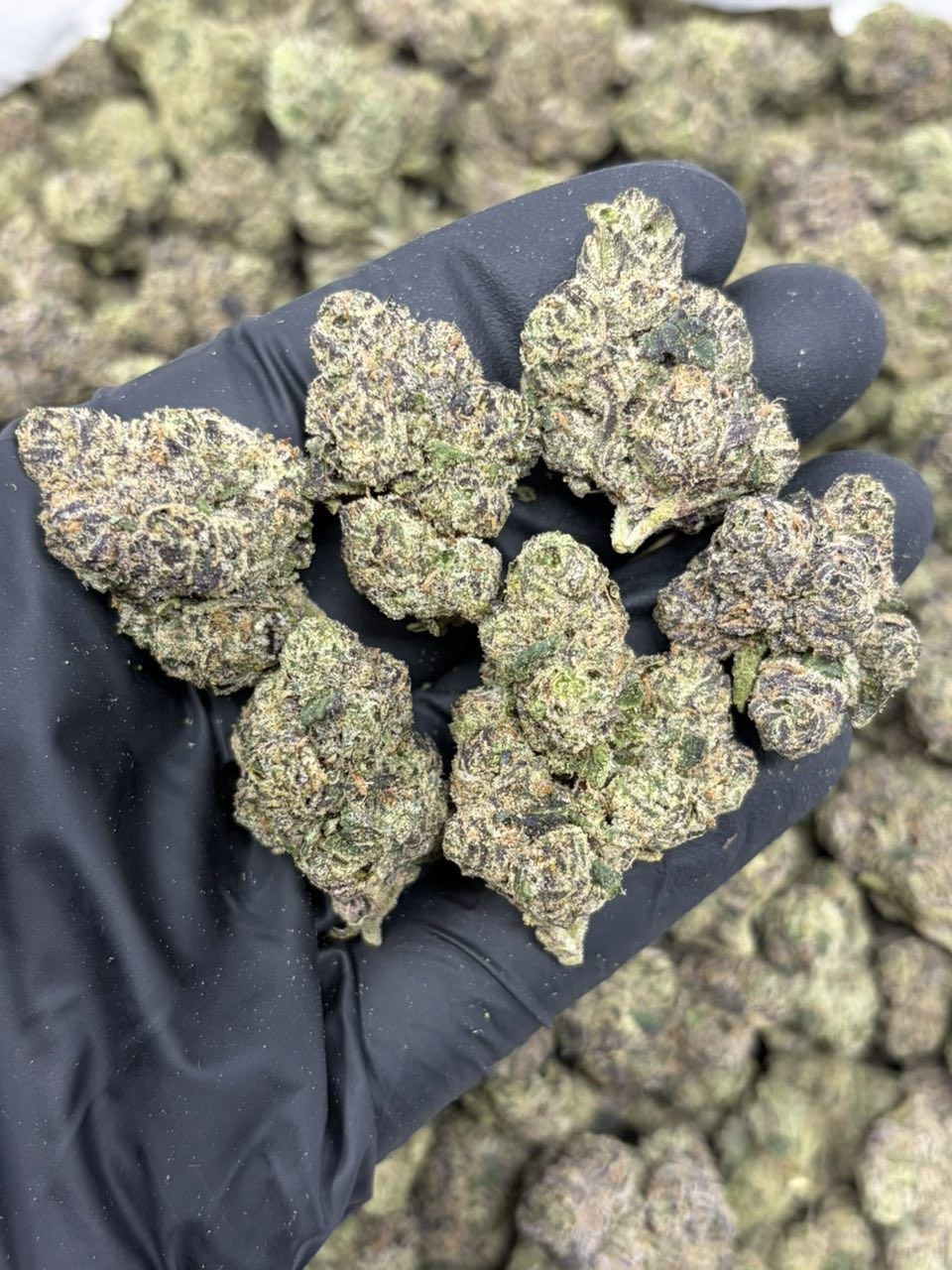
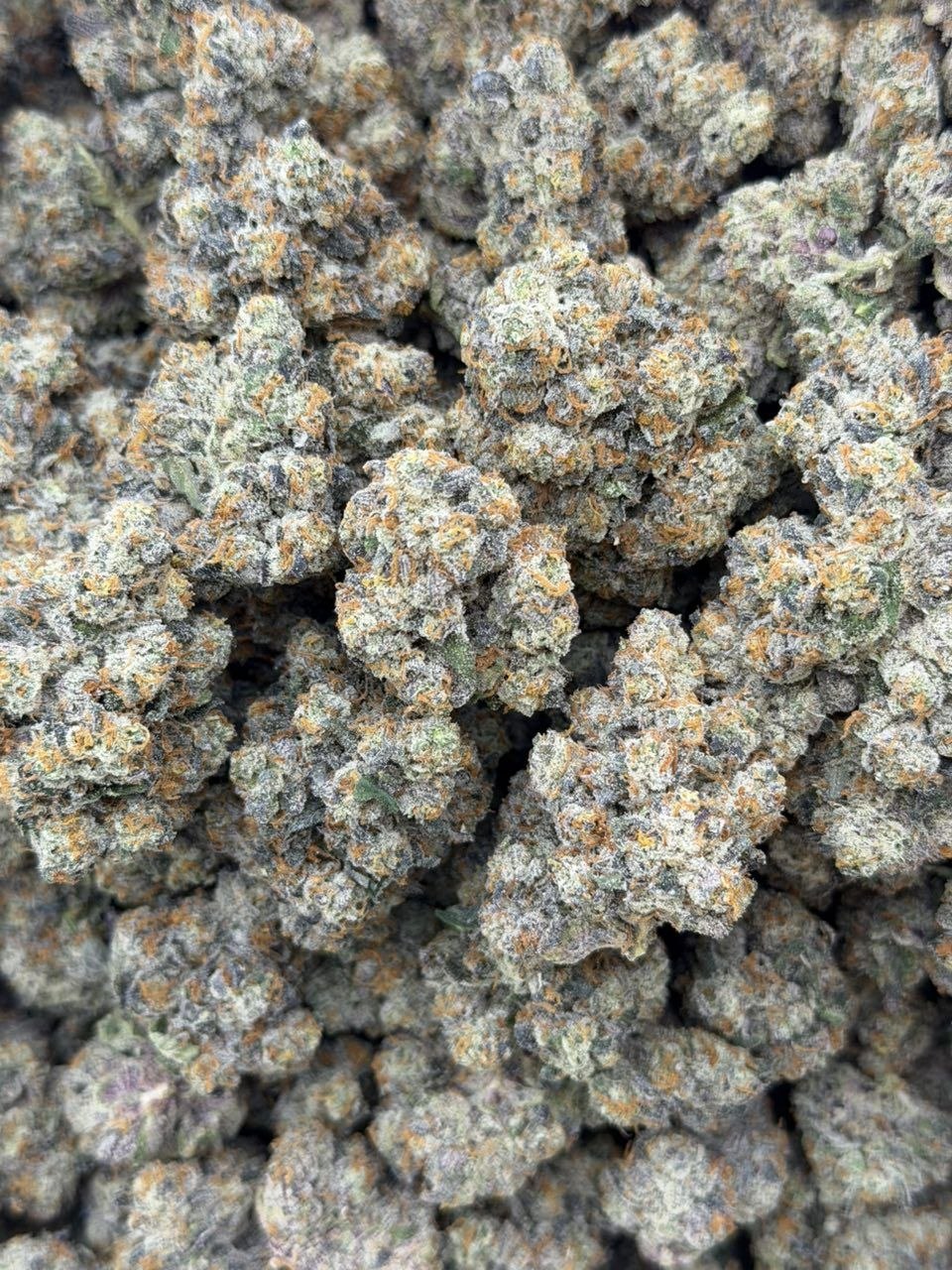
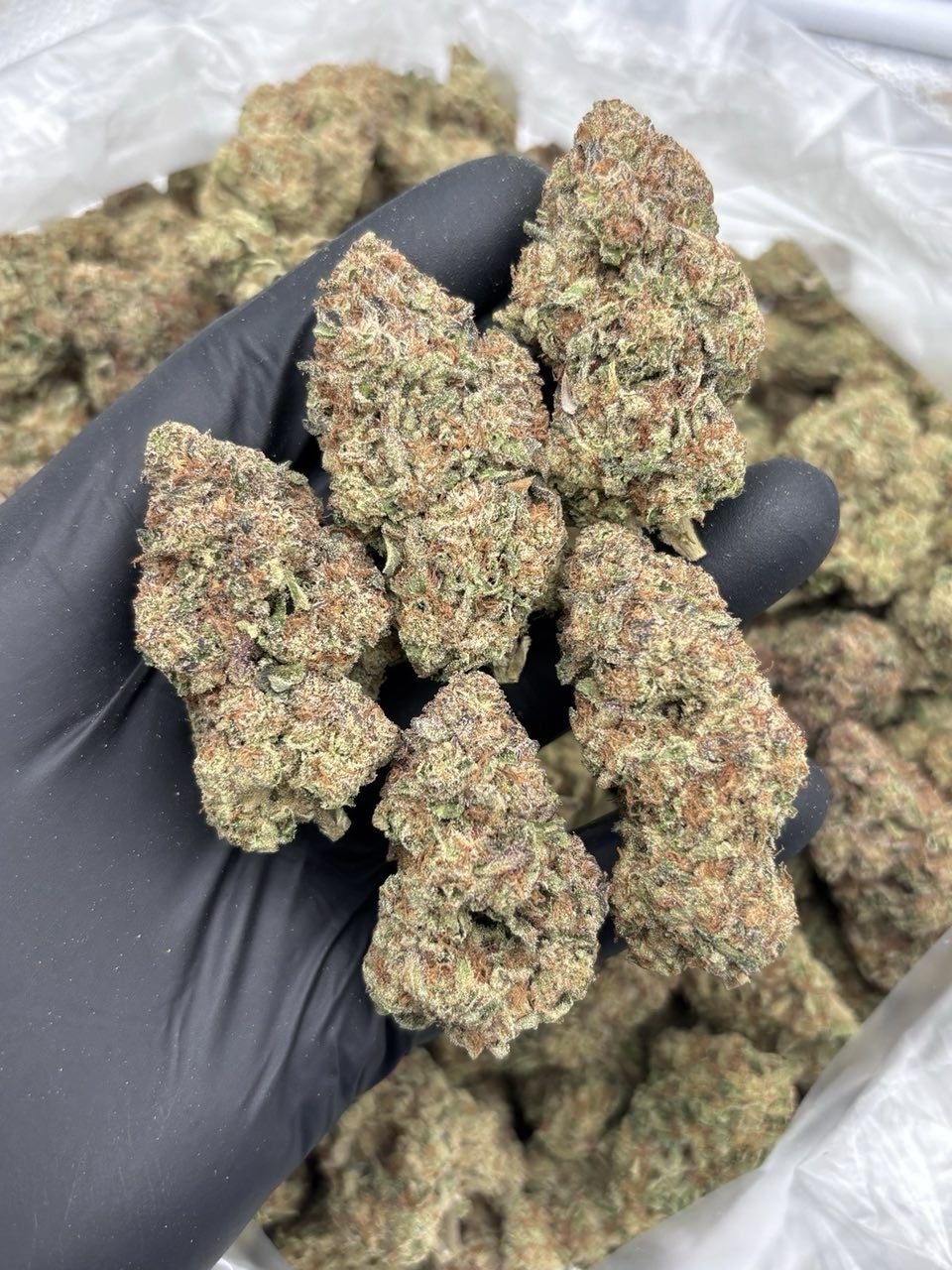
Legal markets require lab-tested product. When you buy Pure Michigan Mix Lights from a regulated source, you know its potency, you know it's pesticide-free, and you know there's no fentanyl or heavy metal contamination. Black-market flower offers none of that.
2. Decriminalization and reform
Cannabis prohibition fueled disproportionate arrests in marginalized communities. Legalization without expungement only solves half the problem — but states that pair the two are starting to undo decades of damage.
3. Tax revenue and reinvestment
Legal cannabis generates billions in tax revenue, a portion of which is increasingly being directed back into the communities most harmed by prohibition.
4. Research access
For decades, federal scheduling made cannabis research nearly impossible in the US. Legalization is unlocking studies on pain, PTSD, sleep, and dozens of other conditions.
The shape of a legal market
When a craft brand like Bobby Luther k or Formula 1 OG can compete openly, the whole industry levels up: better genetics, cleaner cultivation, better labels.
Every legal sale is also a vote — for safer products, fairer policy, and an industry that exists in the daylight.
What's next
Federal rescheduling, interstate commerce, banking reform, and continued expungement of prior offenses. The movement isn't done — but the trajectory is clear.