Chronic pain affects an estimated 50 million Americans. The opioid crisis made it clear that the standard treatment path has serious limits. Cannabis has emerged as a real alternative — not a magic bullet, but a tool with growing evidence.
What the research shows
1. Neuropathic pain
Multiple meta-analyses (including studies in JAMA) show cannabis is moderately effective for nerve pain — diabetic neuropathy, MS-related pain, post-shingles pain. The mechanism: THC and CBD interact with the body's own pain-modulating system (the endocannabinoid system).
2. Inflammatory pain
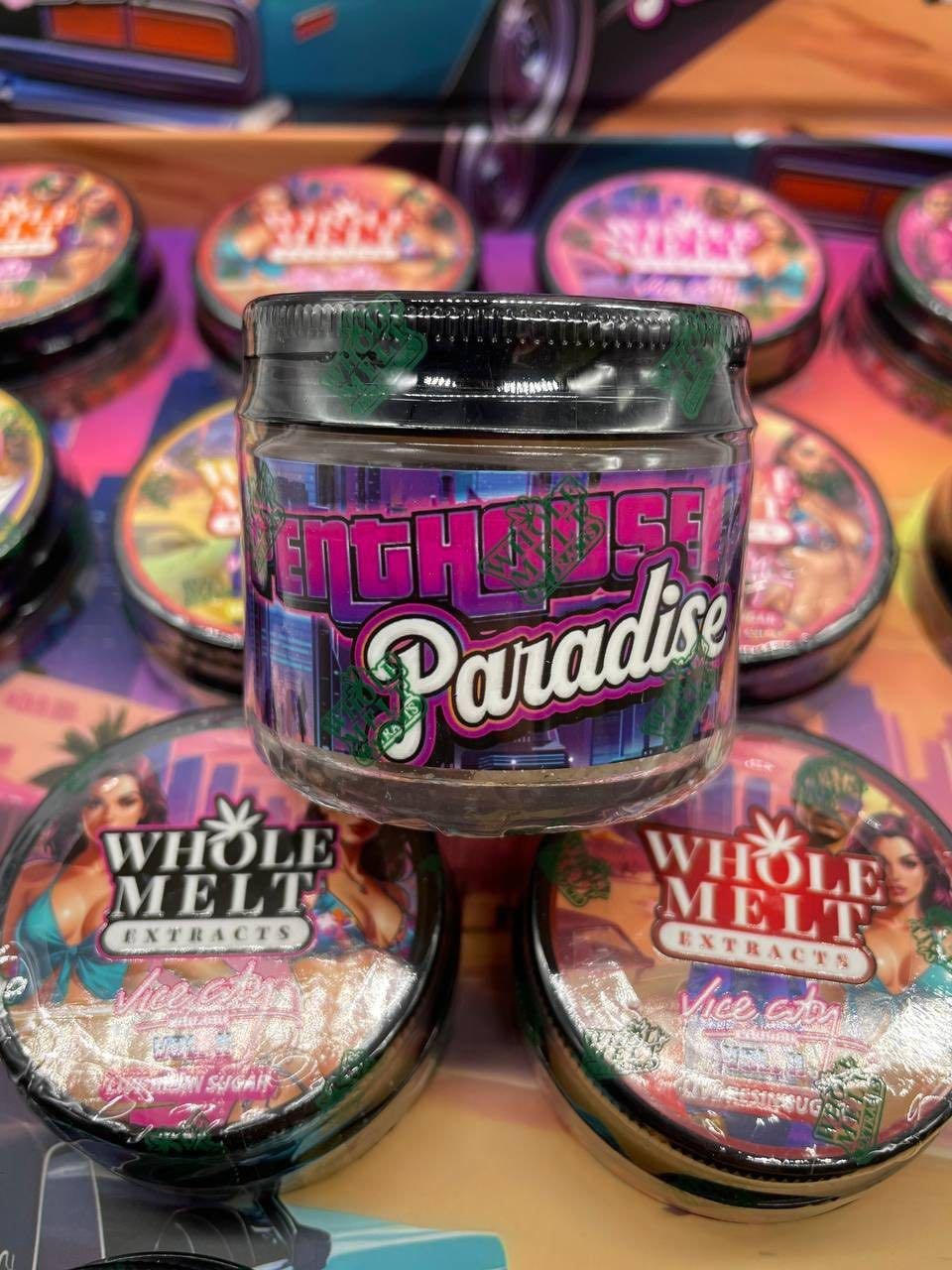
CBD and the terpene caryophyllene both engage CB2 receptors, which are involved in inflammation. Concentrates like ⬆️WHOLE MELT EXTRACTS LB SUGAR UNITS 🍯 preserve the full cannabinoid + terpene profile, which research suggests works better than isolated THC alone.
3. Cancer-related pain
Several studies show cannabis reduces cancer pain and improves quality of life — especially in patients who don't respond to opioids alone.
How patients actually use it
- Concentrates like ⬆️100% LIVE RESIN SUGAR UNITS 🍯 for fast onset and high potency in measured doses
- Rosin like Terp Mansion Rosin tier 1 for the cleanest, solventless extract experience
- Tinctures and edibles for long-lasting baseline relief
- Microdosing — small, regular doses through the day rather than large evening doses
The honest caveats
- Research is still catching up after decades of federal restrictions
- Tolerance builds — most patients cycle or microdose
- Not every pain type responds — acute injury pain still favors NSAIDs
- Cannabis works best as part of a plan: PT, sleep, diet, mental health support
If you're considering cannabis for pain, start low, journal carefully, and tell your doctor.