The endocannabinoid system (ECS) is one of the most important biological discoveries of the late 20th century. It's why cannabis affects us the way it does — and it's a system your body uses even when you're not consuming any.
What the ECS is
The ECS is a network of receptors, signaling molecules (endocannabinoids), and enzymes that runs throughout the brain, organs, immune system, and connective tissue. Its job: keep things in balance — sleep, mood, appetite, pain, immune response.
You make your own cannabinoids — anandamide and 2-AG — that bind these receptors. The cannabinoids in cannabis (THC, CBD) bind the same receptors, which is why a plant can have such systemic effects.
The receptors
CB1
Mostly in the brain and central nervous system. THC binds CB1 — that's the high. CB1 activation modulates pain, memory, mood, motor control, and appetite (the munchies are CB1 signaling in your hypothalamus).
CB2
Mostly in the immune system and peripheral tissues. CBD partially modulates CB2 indirectly. Important for inflammation, gut health, and immune signaling.
What happens when you consume cannabis
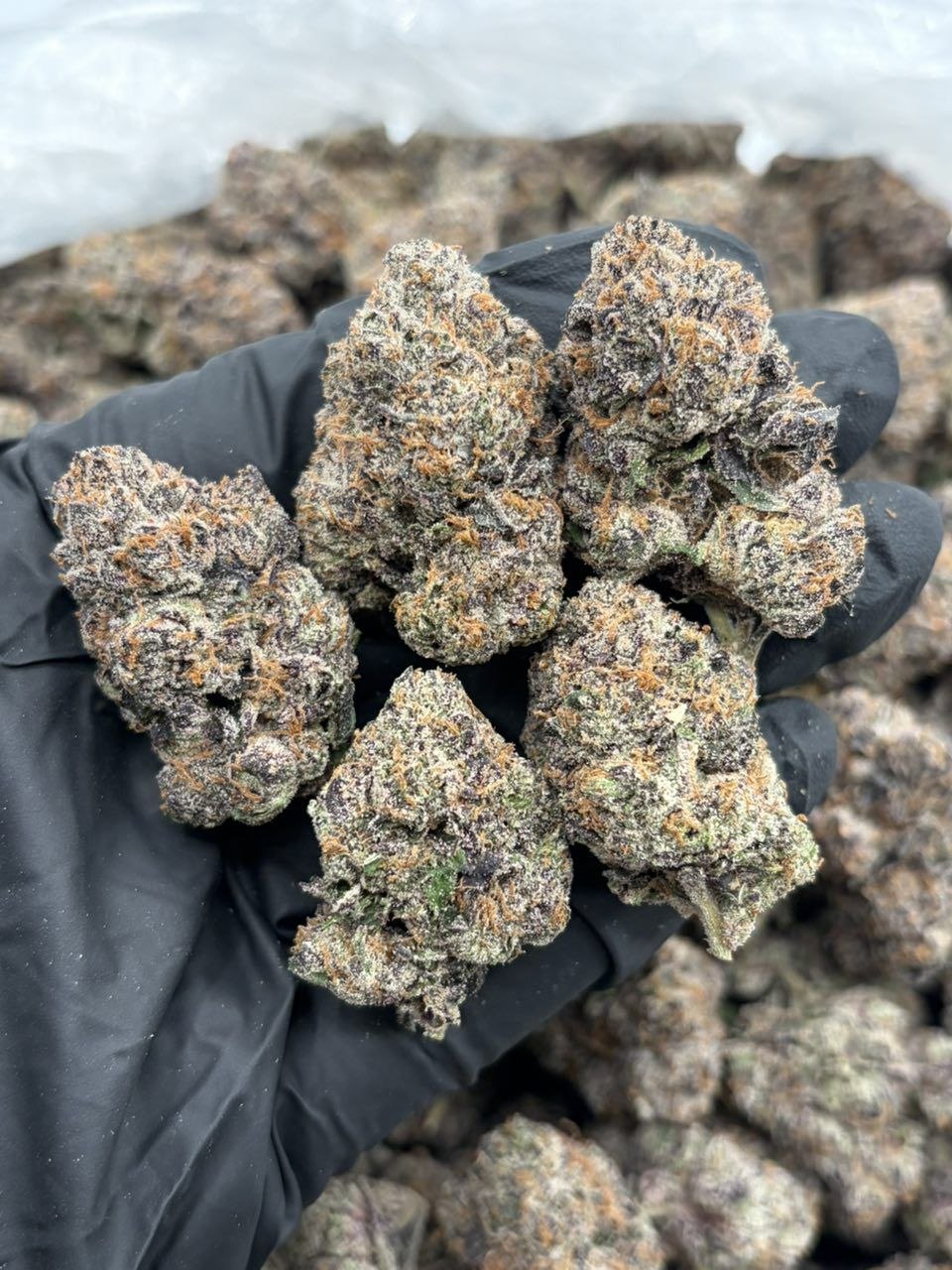
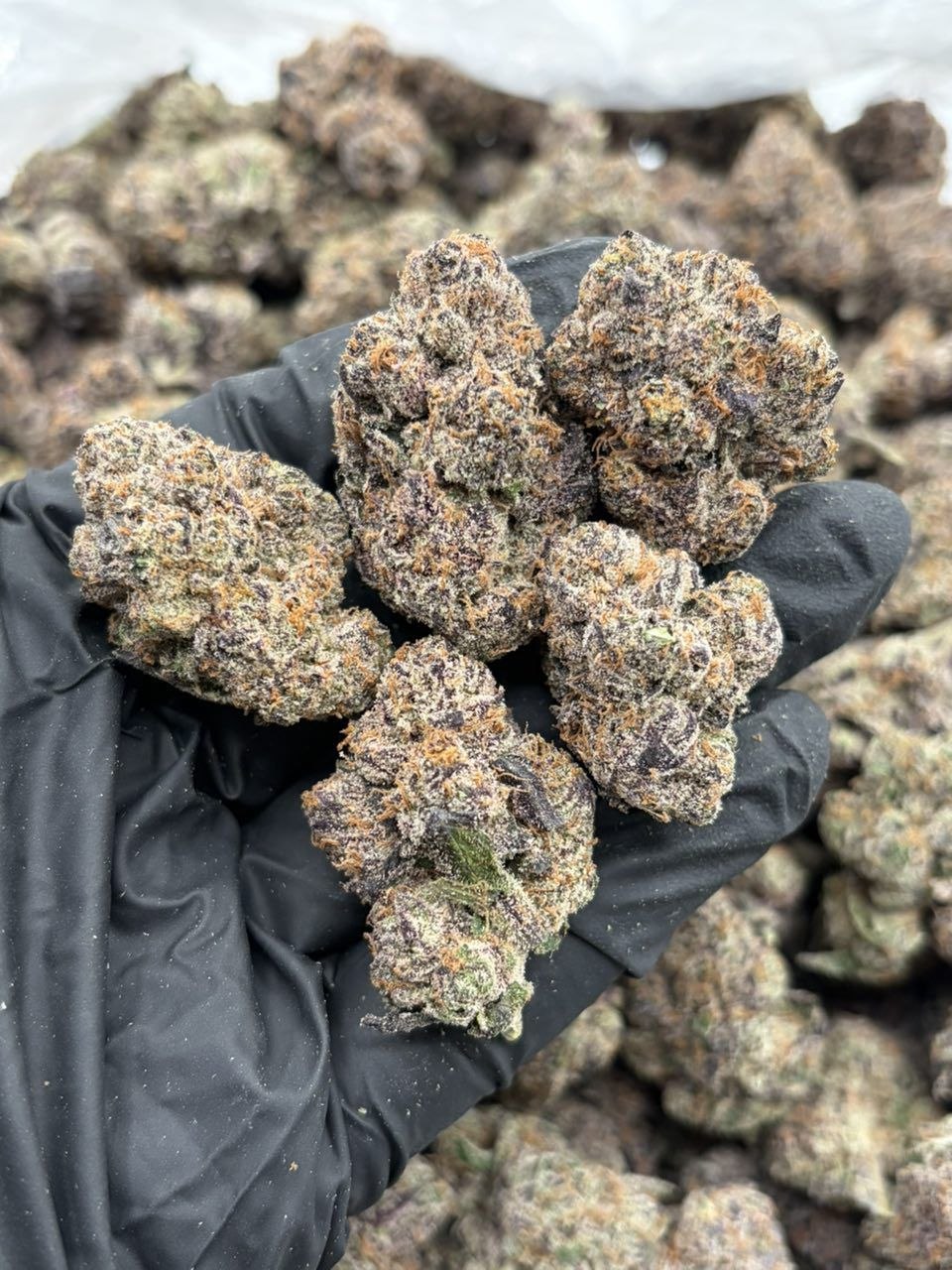
A flower like Magic cookies delivers THC and a profile of supporting cannabinoids and terpenes. Within minutes (smoke) or 60–90 min (edible):
- THC docks at CB1 → euphoria, altered perception, reduced pain
- CBD modulates CB2 and indirectly tones down some THC effects → less anxiety, anti-inflammatory
- Terpenes interact with the same receptors and other signaling pathways → flavor character + nuanced effect
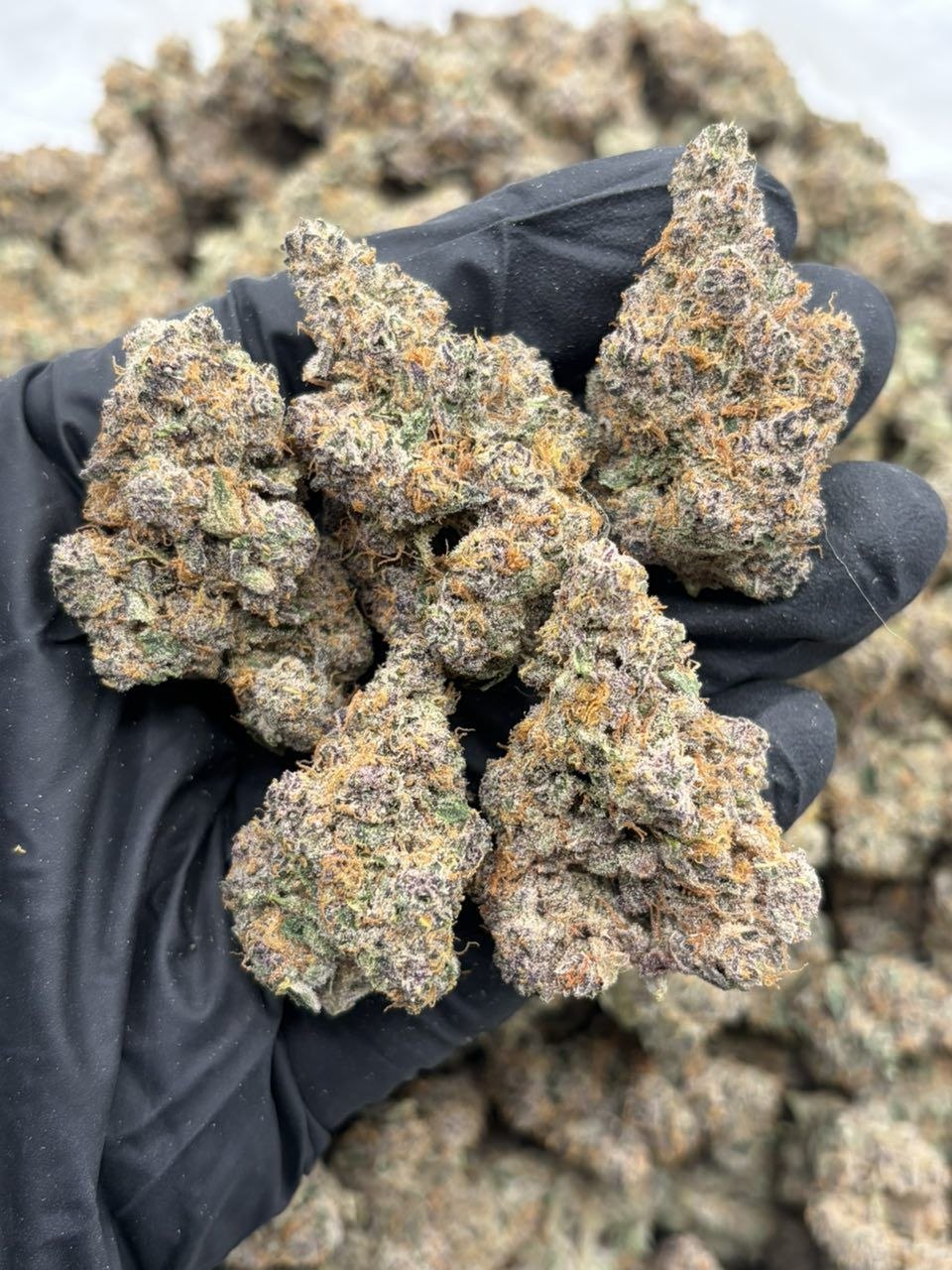
That synergistic effect is the entourage effect, and it's why whole-plant products like Blue Nerdz C1 or Raspberry runtz C1 often feel different from pure THC isolate.
Why everyone responds differently
Genetics shape your ECS. Some people make less of certain endocannabinoids and feel cannabis more strongly. Others have receptor variants that change tolerance. This is why dose recommendations are guidelines, not formulas.
Caring for your ECS
- Exercise — boosts endocannabinoid signaling (the "runner's high" is your own anandamide)
- Sleep — the ECS regulates circadian rhythm; bad sleep dulls it
- Diet — omega-3s support endocannabinoid production
- Cannabis breaks — daily use desensitizes CB1; tolerance breaks restore sensitivity in 2–4 weeks
Your body has been running on cannabinoids your entire life. Cannabis just adds to the conversation.