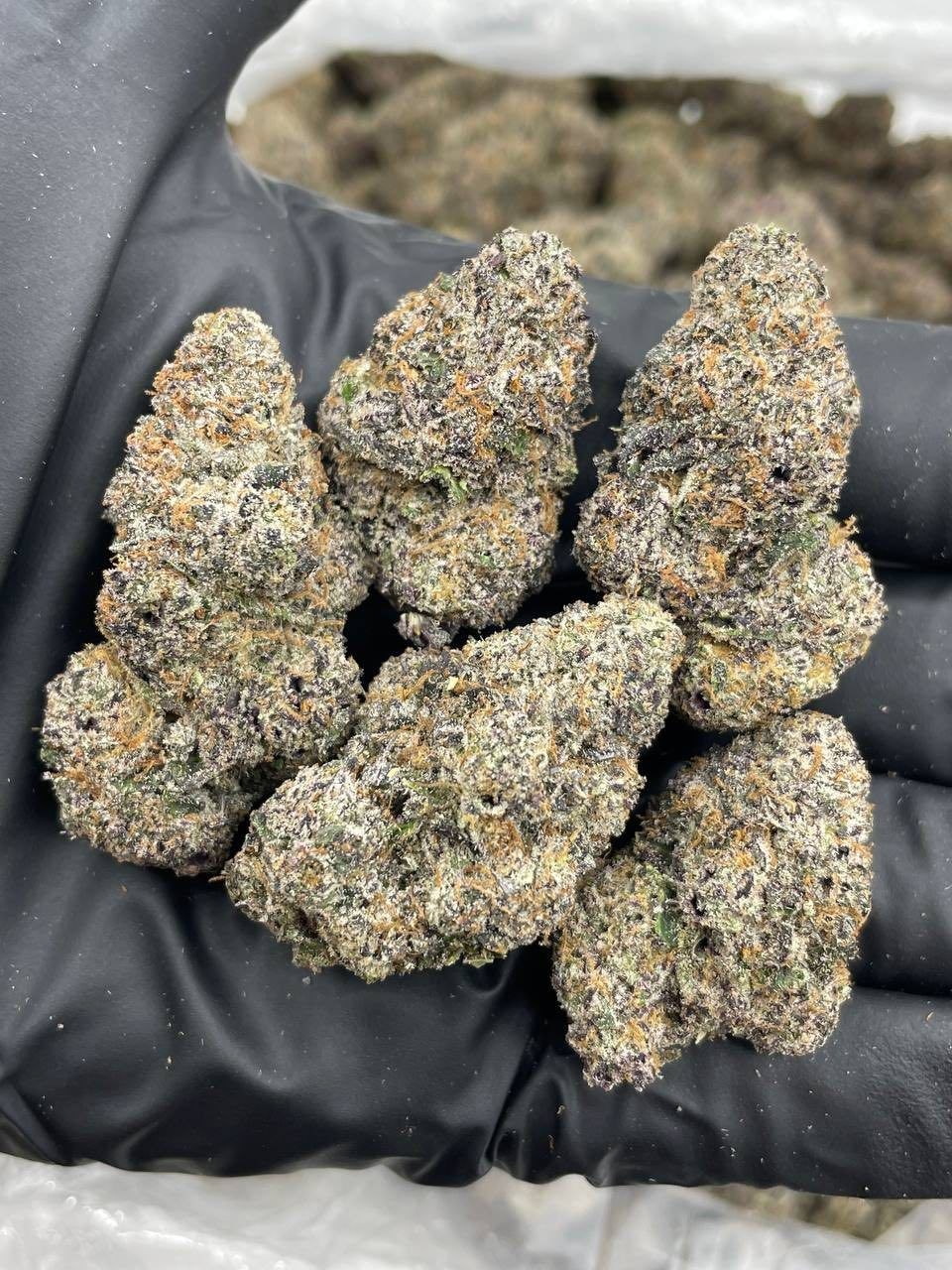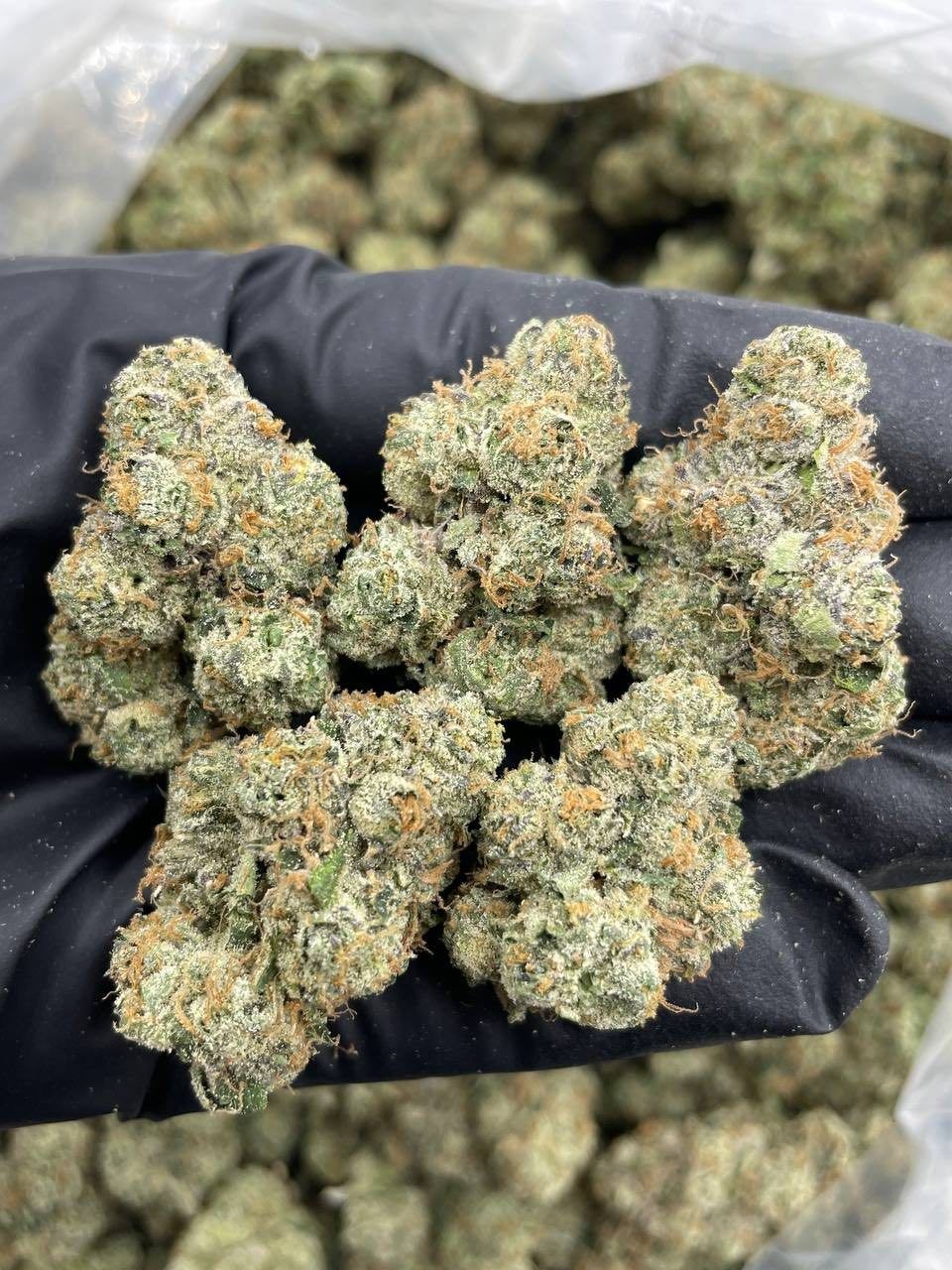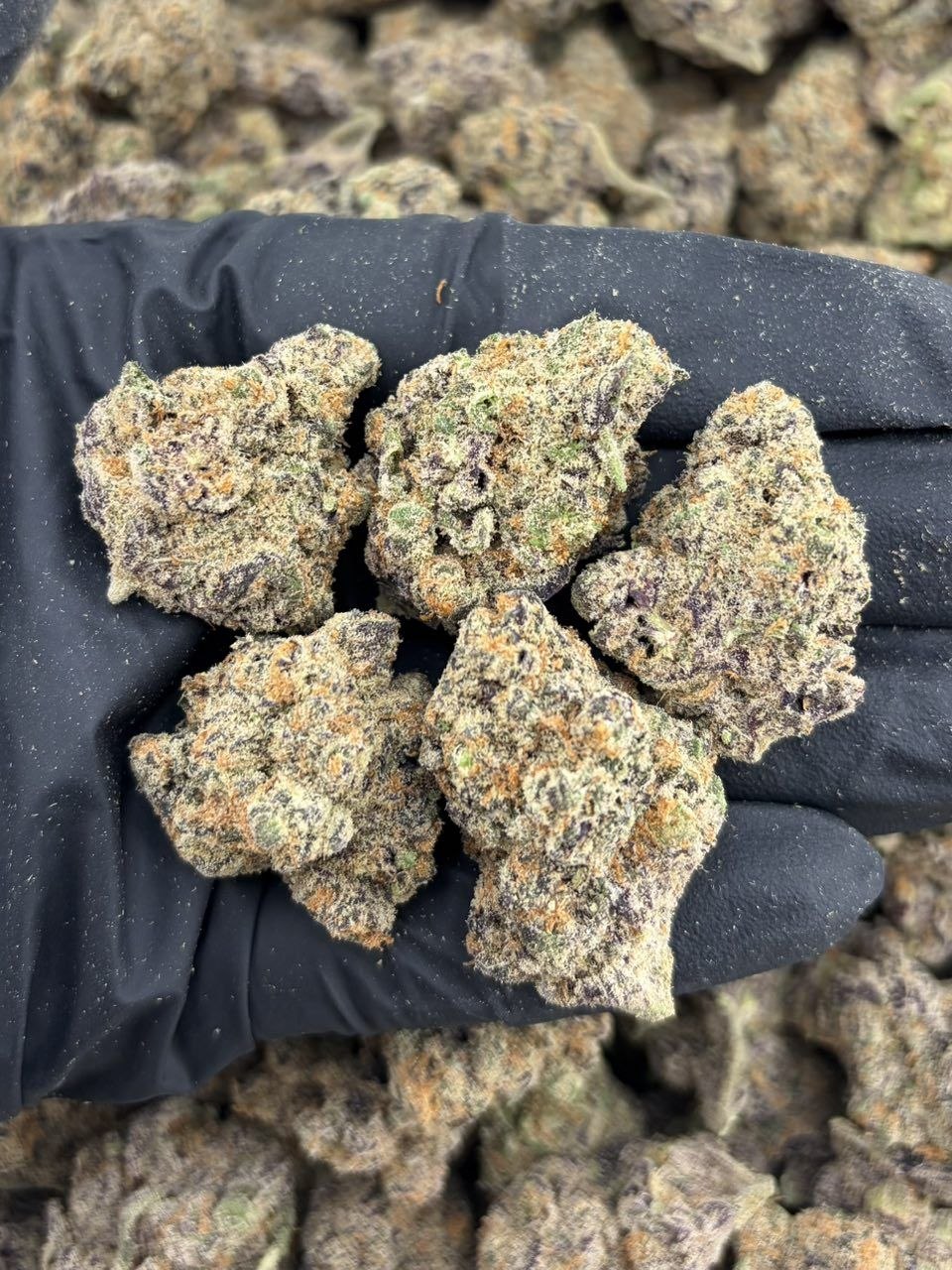
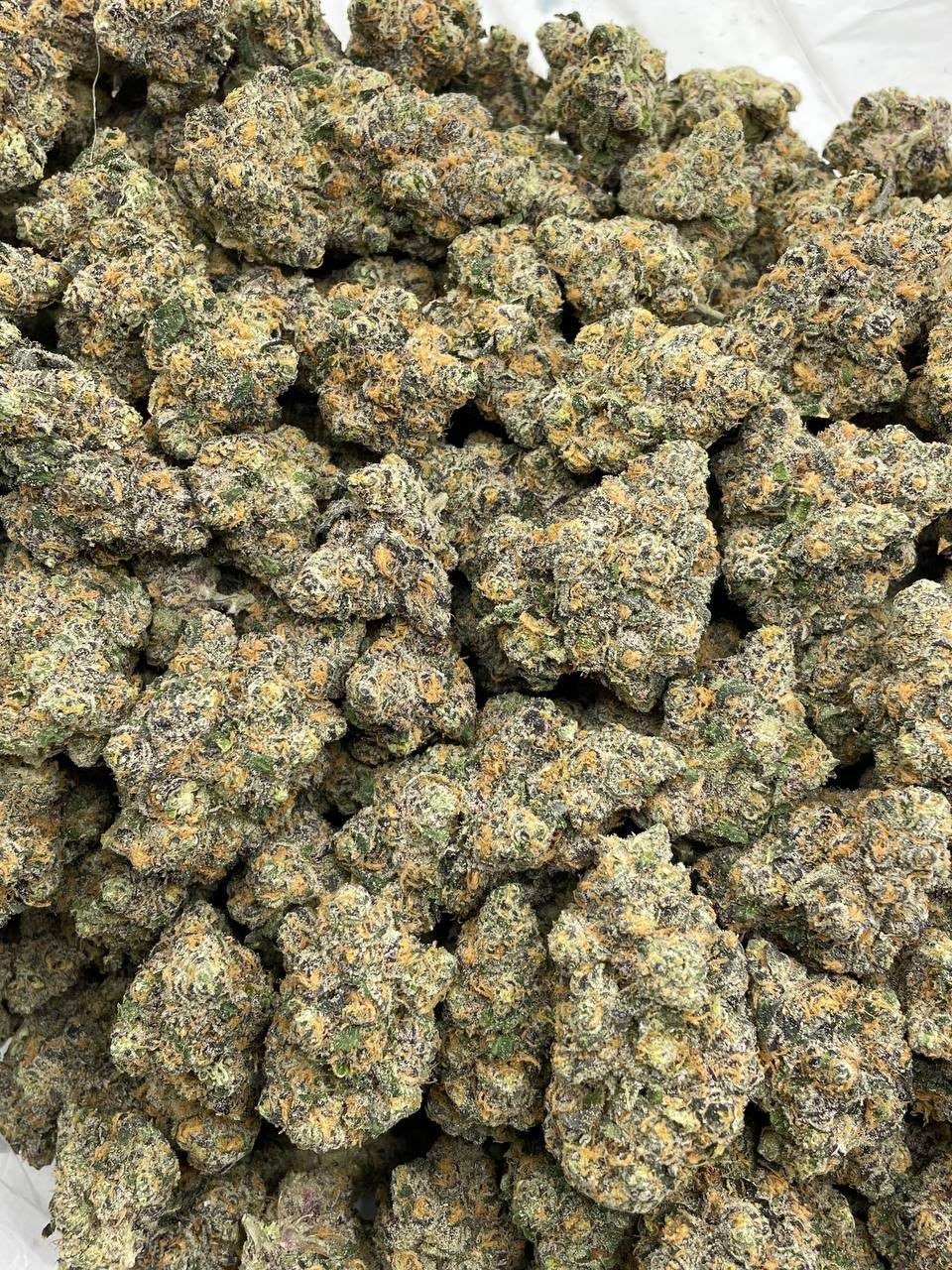
Walk into any dispensary or browse our menu and you'll see three labels: indica, sativa, and hybrid. They're useful shorthand — but the modern picture is more nuanced than "indica = couch lock, sativa = energy."
The classic distinction
The terms originally described where the plants grew — indica from the Hindu Kush, sativa from equatorial regions. Today we use them as a rough guide to effect:
- Indica-leaning — body-heavy, relaxing, often paired with evenings and sleep. Pink Versace Indoors is a textbook example: dense, sticky, knockout.
- Sativa-leaning — head-forward, social, often paired with daytime focus or creativity. Citrus Tsunami leans this way — bright, citrusy, conversational.
- Hybrid — most modern strains are crosses. Venom Runtz is a balanced hybrid that lands somewhere between energizing and chill.
Why the labels are imperfect
Two indica plants can produce wildly different effects. The real drivers are cannabinoids (THC, CBD, CBG) and terpenes (the aromatic compounds that shape the high). A sativa with high myrcene can feel sedative; an indica high in limonene can feel uplifting.
Use indica/sativa/hybrid as a starting point, then read the terpene profile and the description.
How to pick
- Time of day — daytime → sativa-forward, evening → indica-leaning
- Tolerance — start lower with high-THC strains like Dark Matter
- Aroma — citrus and pine usually feel uplifting, gas and earth usually feel grounding
- Notes from past sessions — keep a quick log of what worked
The bottom line
Treat the labels as a compass, not a map. Match the product to the moment, not the marketing.