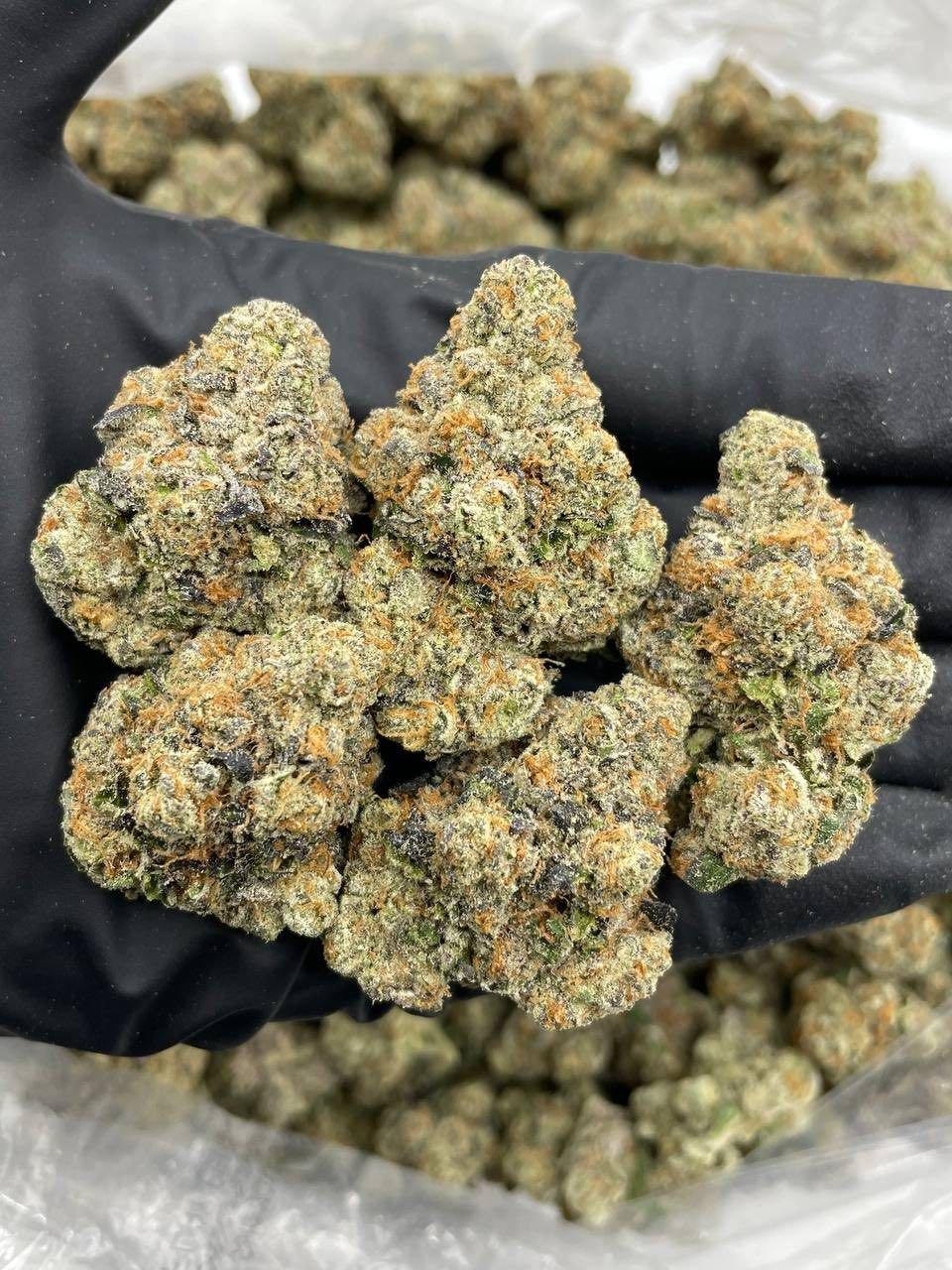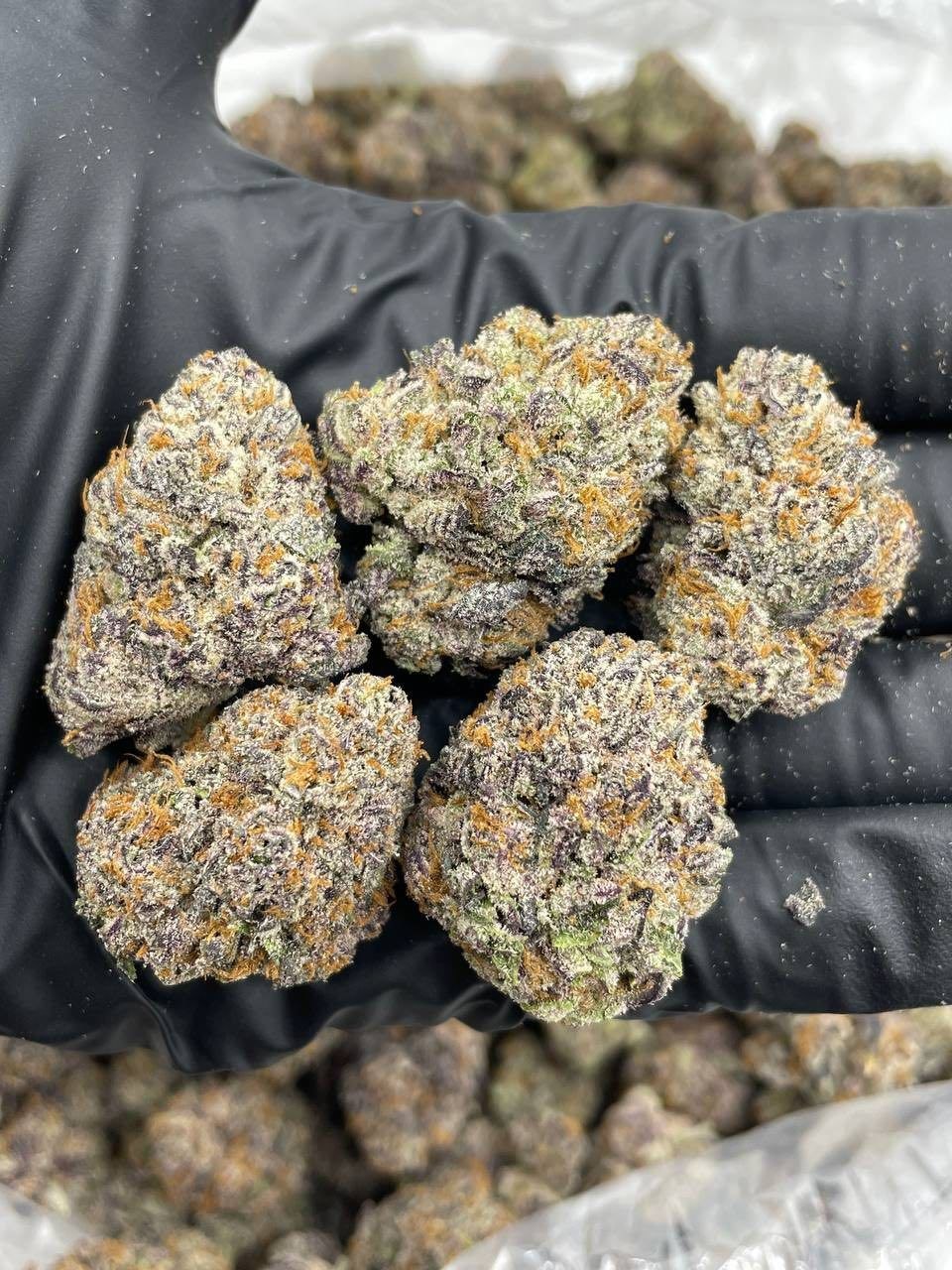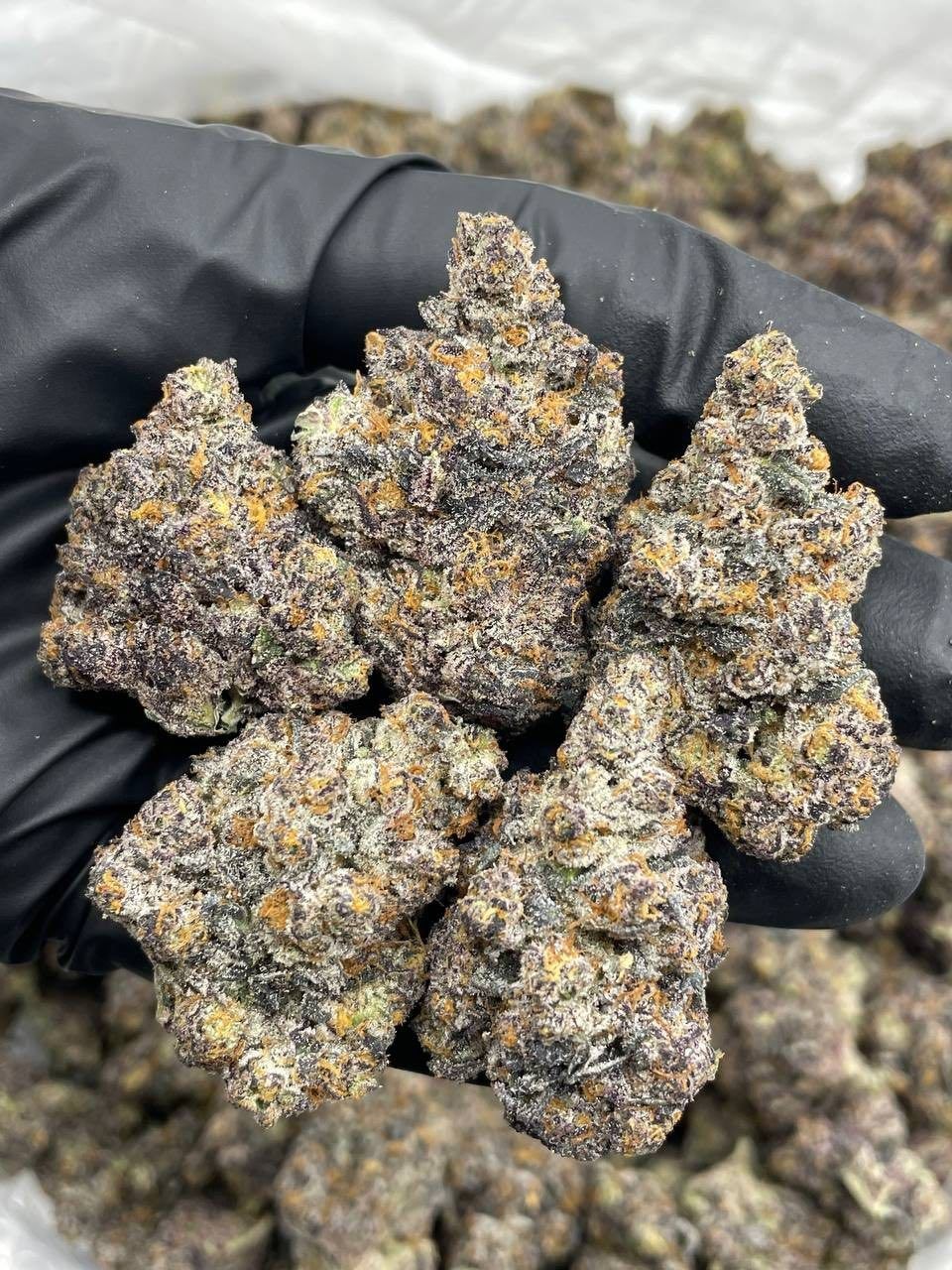
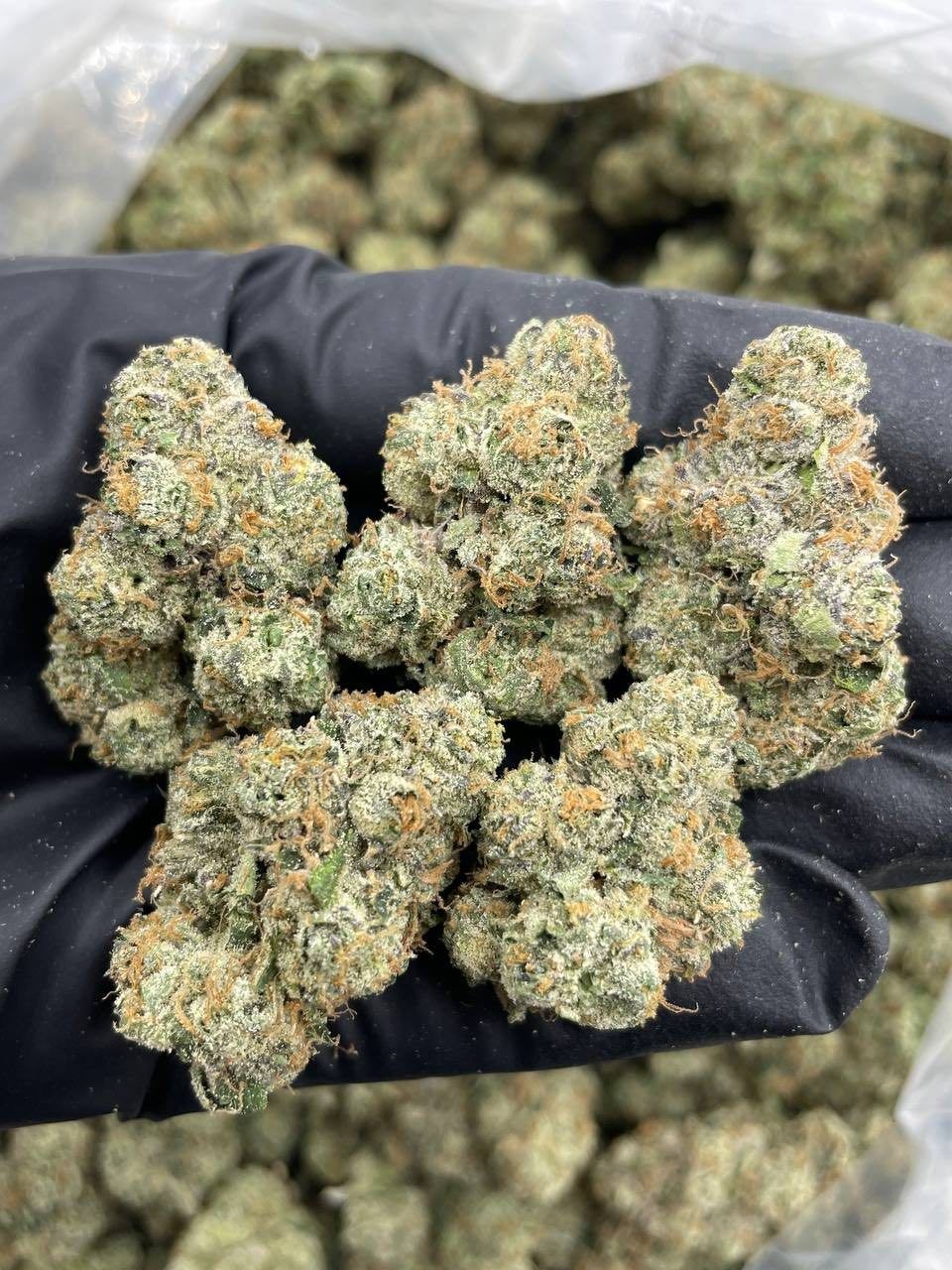
Terpenes are the aromatic oils that give cannabis its smell — citrus, pine, gas, berry, sweet cream. They're not just flavor: they actively shape the high through what's called the entourage effect, where cannabinoids and terpenes amplify each other.
The major terpenes (and where you'll find them)
Limonene — bright citrus, mood-lifting. The dominant note in Citrus Tsunami. Also in lemons and oranges.
Myrcene — earthy, mango, mildly sedating. The most common terpene in cannabis. Heavy in Pink Runtz.
Caryophyllene — peppery, warm. Unusually, it binds CB2 receptors directly — meaning it has measurable effects on inflammation. Common in pepper, cloves, and gas-forward strains.
Linalool — floral, lavender, calming. Found in Sour Sherbet Indoors and many sleep-leaning strains.
Pinene — pine, sharp, alertness-promoting. May offset some of THC's short-term memory effects.
Terpinolene — fruity, complex, often present in sativa-leaning strains.
Why terpenes matter for your experience
| Terpene | Aroma | Tends to feel |
|---|---|---|
| Limonene | Citrus | Uplifted, social |
| Myrcene | Earthy/mango | Relaxed, sleepy |
| Caryophyllene | Pepper | Calm, anti-inflammatory |
| Linalool | Lavender | Sedative, anxiety-reducing |
| Pinene | Pine | Alert, focused |
| Terpinolene | Fruity | Energetic, cerebral |
How to use this
When you smell a strain like Strawberry Mac and pick up sweet, creamy notes, that's not just marketing — those terpenes are part of what's about to happen. Pay attention to aroma; it's the clearest signal of effect short of a lab test.
The percentage on the label tells you intensity. The terpenes tell you character.